 SportsIconLegends
Magic Johnson, Larry Bird, and the Fear That Became Friendship
I have never guarded an NBA point guard, and my pickup-game scouting report is mostly a decent jumper, a bad habit of reaching, and lungs that file complaints after two fast breaks. But I have felt the specific fear of sharing a court with someone who seems to know my next move before I do. That is why the old confession from Magic Johnson about Larry Bird lands differently for me. Magic, one of the most skilled players in NBA history, could run an offense as a point guard and guard the paint as a centre. He was drafted first in 1979 by the Los Angeles Lakers, spent 12 years with the franchise, won five NBA championships and three MVP awards, and briefly returned in 1996 after initially retiring in 1991. He battled Larry Bird and Michael Jordan and rarely looked intimidated. Almost never. Bird was the exception.
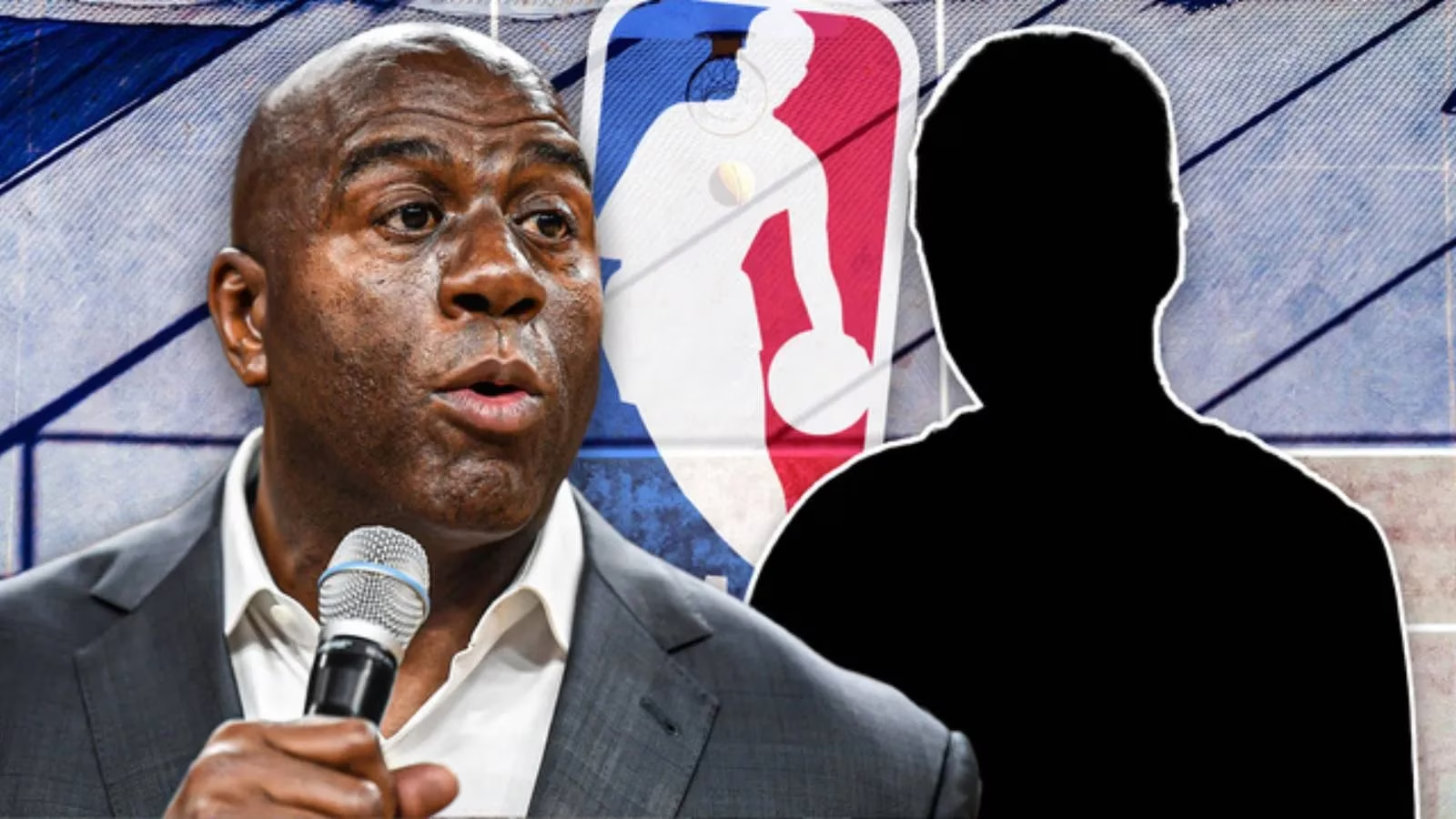
I like that admission because it turns a monument into a person. Fear, in that context, was a small stone in the shoe of his confidence—not crippling, but impossible to ignore. The rivalry between Johnson and Bird is still remembered nearly four decades later, and their college meeting between Michigan State and Indiana State reportedly produced the admission that Magic was afraid to play against Bird. The detail is preserved in From When the Game Was Ours, and it makes sense: before the championships and the finals, there was a small forward who made a point guard feel uncertain.
| Milestone | Detail |
|---|---|
| Draft | No. 1 overall in 1979 by the Lakers |
| NBA career | 12 years, with a brief return in 1996 |
| Championships | 5 |
| MVP awards | 3 |
| Defining rival | Larry Bird |
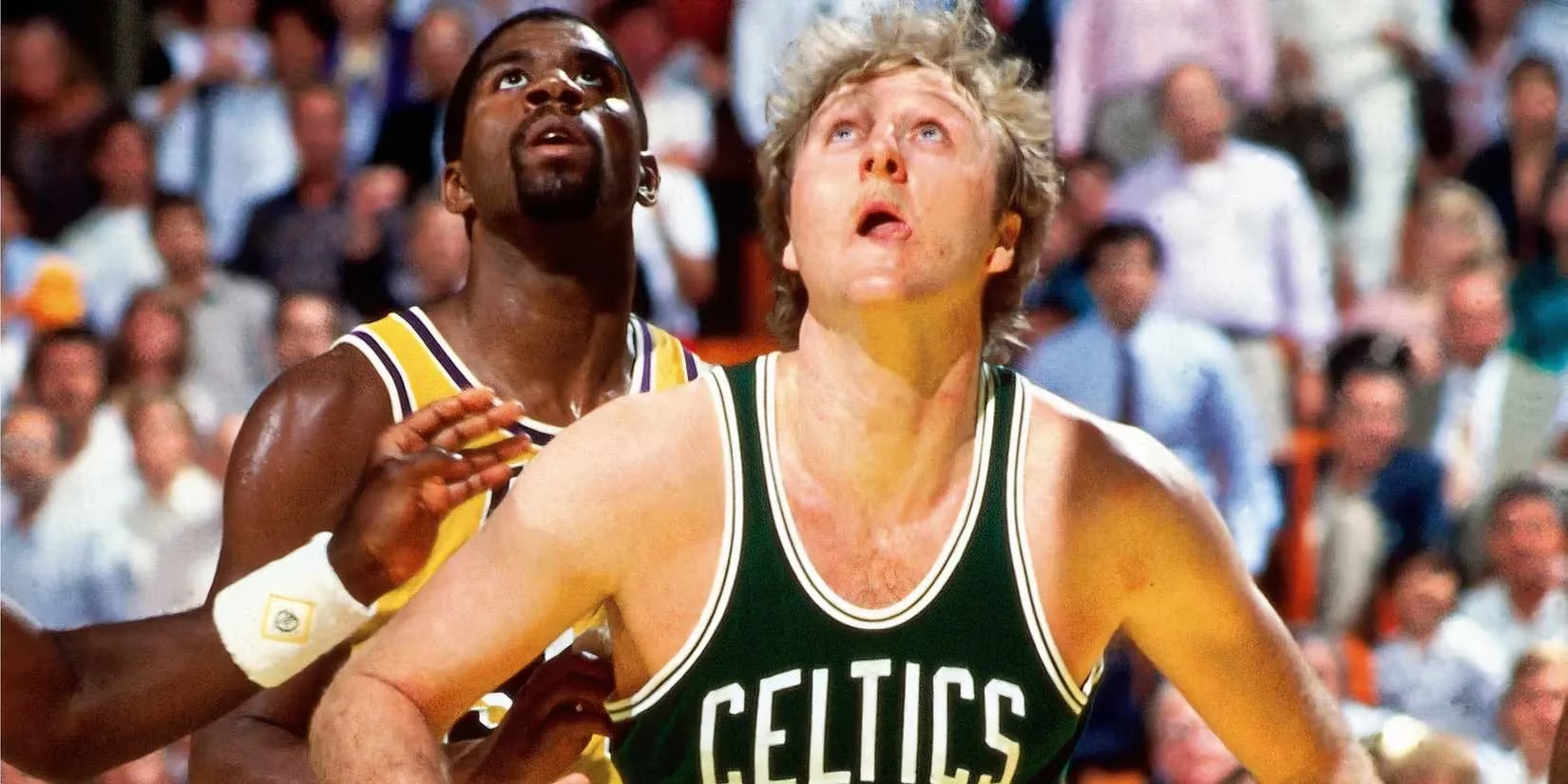
The professional rivalry was box office. Magic on the Lakers and Bird on the Boston Celtics met on multiple occasions, including NBA Finals showdowns. In 1984, Bird famously called the Lakers and Magic 'sissies'. That line is remembered because it sharpened the edge. Their rivalry was like two tuning forks struck in the same room: each kept the other humming, even when they stood apart. I grew up hearing about the Lakers-Celtics tension, and even as a neutral pickup player, I understood that the best rivalries are not only about hate. They are about measurement. Bird measured Magic, and Magic measured Bird.
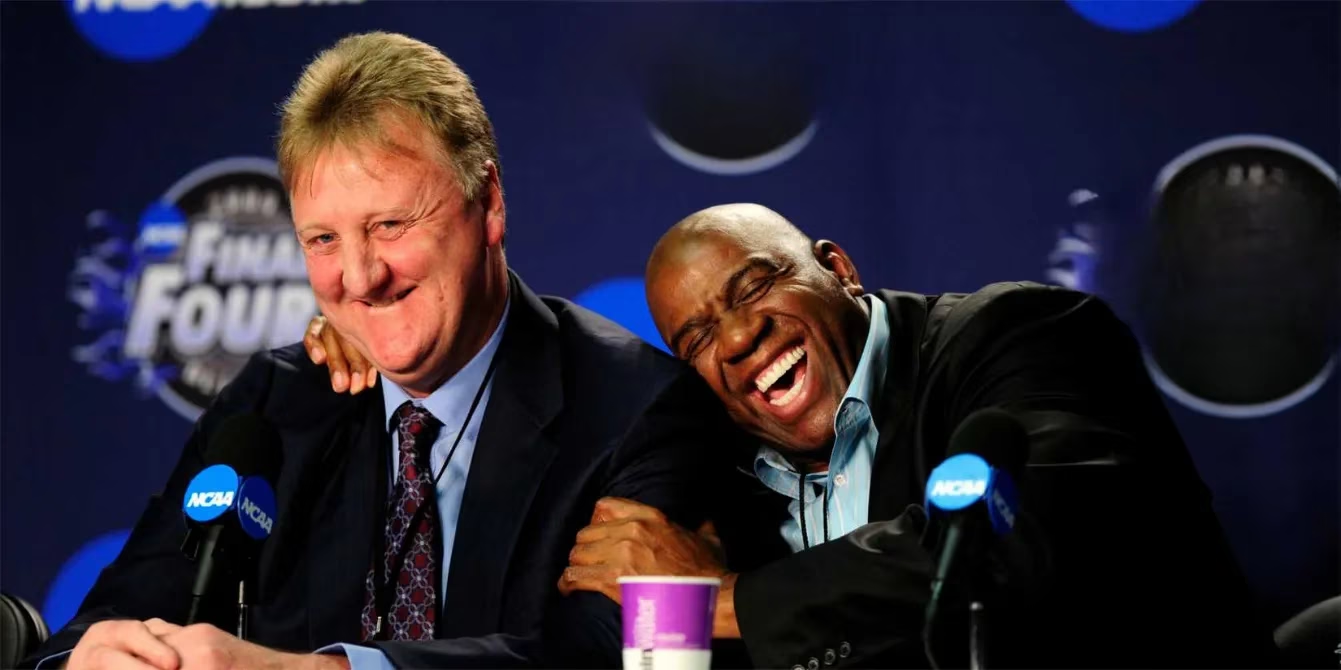
The turn came in 1986, when both men were asked to film a Converse commercial together. The assignment required them to be close for an extended period, and Magic travelled to Bird’s home. They spent a lot of time there while filming. Bird’s mother made lunch. They talked about everything but basketball. That detail is the hinge of the whole story. Away from the court, they discovered similar backgrounds and more in common than they had assumed. The thaw came like ice loosening on a pond in early spring—not one dramatic crack, but a quiet softening that let them see each other as men rather than logos.
I find that more impressive than any no-look pass. In 2026, when player movement, social media and ring culture make every relationship look transactional, the Johnson-Bird friendship feels almost old-fashioned. They were icy rivals first. Then they became close. Magic has said that everything changed during the commercial, that getting to know Bird away from the court helped them know each other as men, and that it stopped being simply Magic and Larry battling head to head. Their friendship has stood the test of time. When Johnson revealed his HIV diagnosis to the world, Bird was one of the first people to reach out and check on his wellbeing.
As a regular player, I take a simple lesson from it: respect can arrive as fear, and friendship can begin when the competition stops defining the whole person. Magic could do almost everything on a basketball court. He could handle, lead, post up and defend. He won five titles and three MVPs. But he was also human enough to admit that one opponent made him afraid. That honesty does not shrink him. It makes the rivalry richer, and the friendship more unlikely and more valuable.
Comments