 SportsIconLegends
Could Julius Erving Have Been the GOAT Instead of Michael Jordan?
From the moment I first picked up a controller and started playing NBA 2K, I have been obsessed with the GOAT debate. In 2026, the argument still burns hotter than ever. Michael Jordan remains the broad majority's pick for the greatest player ever. The Chicago Bulls icon was the face of the NBA in the 1990s, leading the franchise to one of the most dominant dynasties in league history. His 15-year career had ups and downs, but he put together a resume that few, if any, can compare to. I have watched countless hours of his film, and every time I see him rise for a fadeaway, I understand why he became the standard.
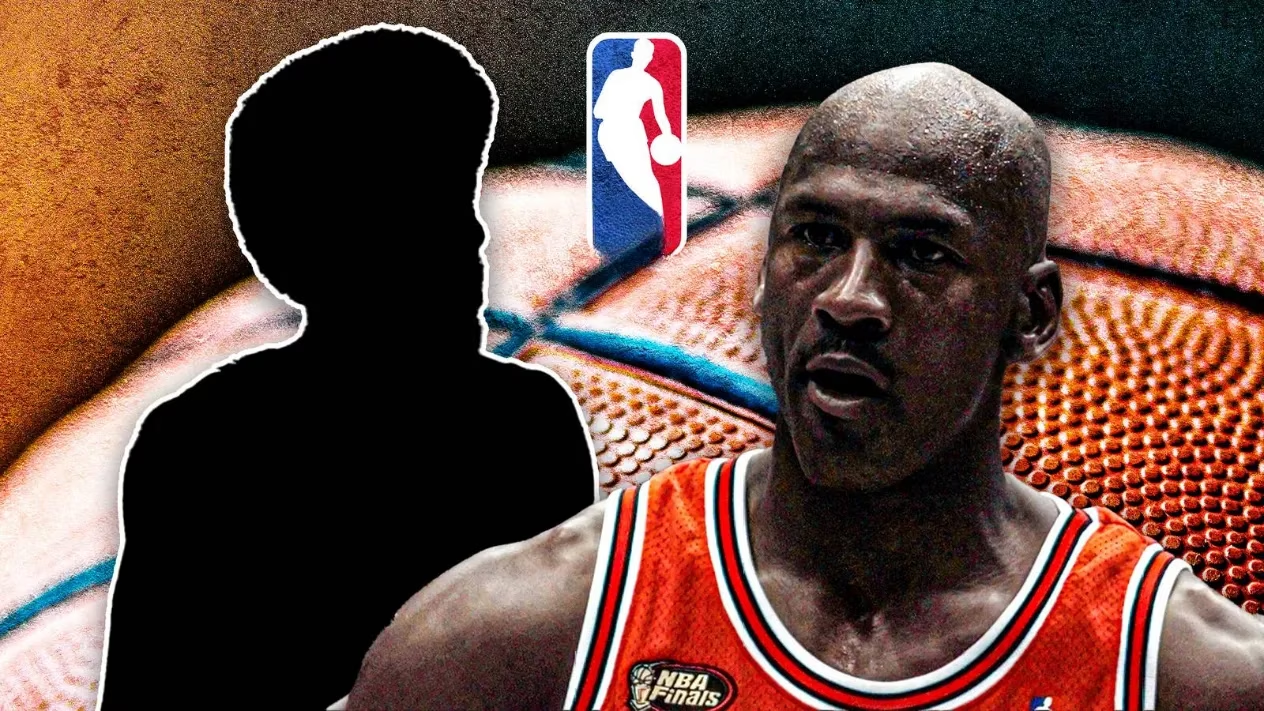
Part of Jordan's large figure is due to the league's growth, which coincided with his brand's rise throughout the late 20th century. The NBA hit record heights of popularity during the 1990s, and Michael was the main reason why. Whether it was the Be Like Mike Gatorade campaign or the revolutionary partnership between the shooting guard and Nike, Jordan became a pop culture icon who will always be prevalent in the GOAT debate because of his impact. I cannot think of another athlete who so completely merged sports, marketing, and global fame.
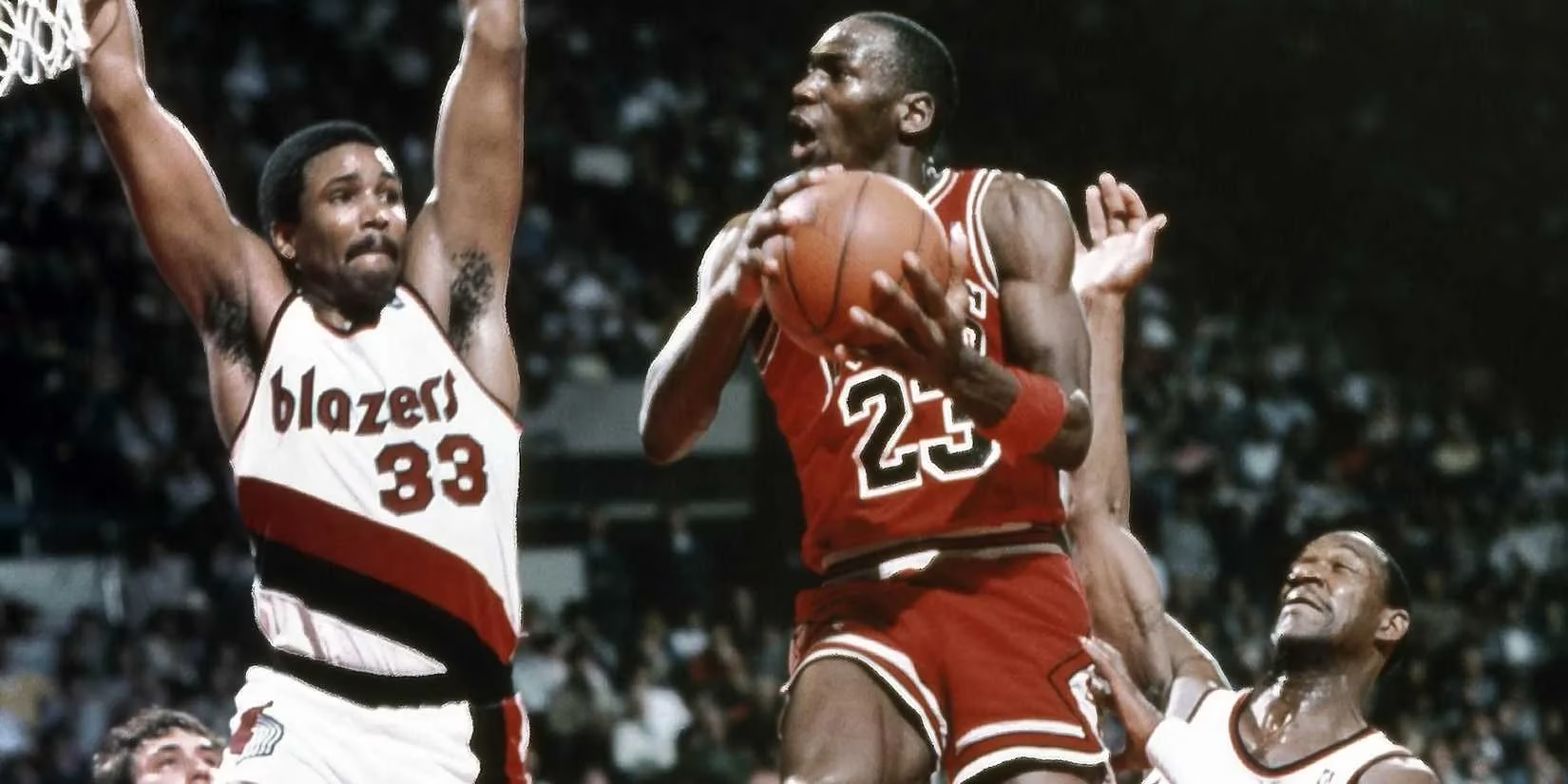
However, an NBA insider recently said that a legendary small forward from the 1970s and 1980s could have taken that mantle if he had been in the league during Jordan's time. Scoop B. Robinson detailed in an interview with the Basketball Network that Julius Erving, rather than Michael Jordan, had the potential to be the GOAT if he had played most of his career in the NBA. The insider broke down some of the keys to Jordan's meteoric rise and why Dr. J had the talent and playing style to similarly revolutionize the league. When I first heard that take, I paused. As a gamer who loves historical rosters, I have used Dr. J in classic teams, and his smooth, gliding style is impossible to ignore.
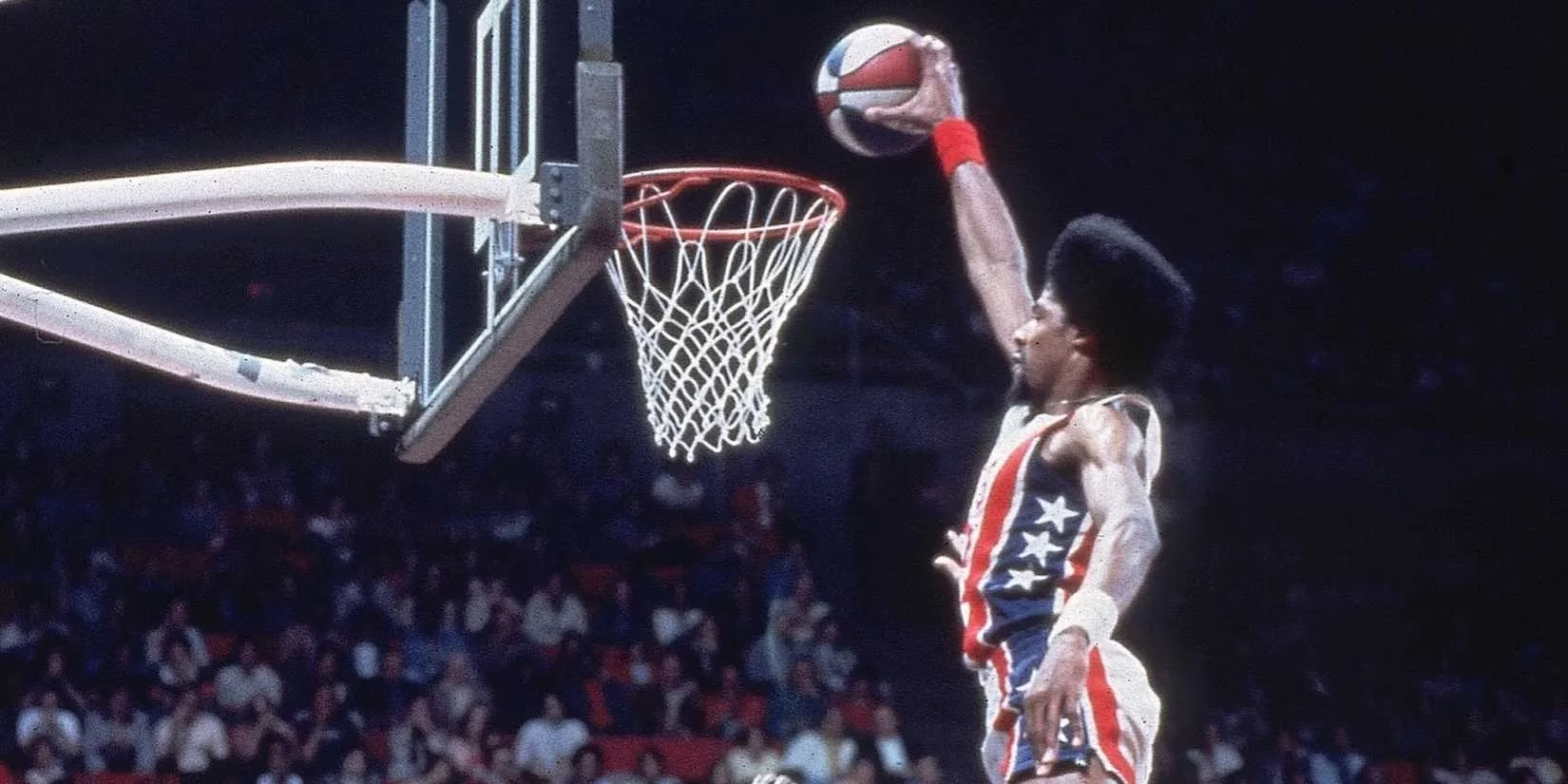
Julius Erving played five years in the American Basketball Association before joining the NBA. The New York native needed just that amount of time to cement himself as the greatest ABA player ever, winning three MVPs and two championships during that time. Shortly after that stint, Dr. J joined the Philadelphia 76ers, and also had a Hall of Fame caliber career in the NBA, leading the franchise to a title in 1983. Erving was additionally an eleven-time All-Star and won the league MVP award in 1981. He eventually retired in 1987 and was a first-ballot Hall of Fame inductee shortly after.
Here is a quick comparison that I like to use when explaining the two careers to friends:
| Category | Michael Jordan | Julius Erving |
|---|---|---|
| Primary era | 1980s and 1990s | 1970s and 1980s |
| League dominance | Chicago Bulls dynasty | ABA legend, Philadelphia 76ers star |
| MVP awards | Multiple NBA MVPs | 3 ABA MVPs, 1 NBA MVP |
| Championships | Six NBA titles | 2 ABA titles, 1 NBA title |
| All-Star selections | 14 | 11 |
| Cultural signature | Nike, Gatorade, global icon | Aerial artistry, ABA pioneer |
Jordan has always had effusive praise for Erving and has, on several occasions, mentioned how he modeled a lot of his game after him. The two wings were both acrobatic high-flyers with big hands who captivated audiences with their creative finishes at the basket. Erving seems to be a fan favorite among most NBA players, and LeBron James even said that he considered Dr. J one of the three best players of all time. That kind of respect from a modern superstar tells me that Dr. J's legacy is not just nostalgia. It is real, tangible, and still influential in 2026.
Overall, Scoop B. Robinson makes a fair point about how it was a perfect storm that helped Jordan have the impact he had on the league. The 1990s were a unique moment: cable television, global marketing, and a superstar who could fly. If Erving had been dropped into that same environment for his entire prime, maybe the GOAT conversation would sound different. Maybe we would talk about Dr. J the way we talk about MJ. Maybe his highlights would be the ones replayed on every social media feed.
But this rise had a lot to do with MJ himself and the insurmountable will he showed on the floor every time. It was not just Jordan's playing style that drew fans in; it was his mentality. I have seen many talented players, both in real life and in video games, but few have that cold-blooded, obsessive competitiveness. Jordan took every slight personally. He turned practice into war. He wanted to destroy his opponents, and then he wanted to do it again. That mentality, combined with his skill and the timing of his career, created a perfect storm that may never be replicated.
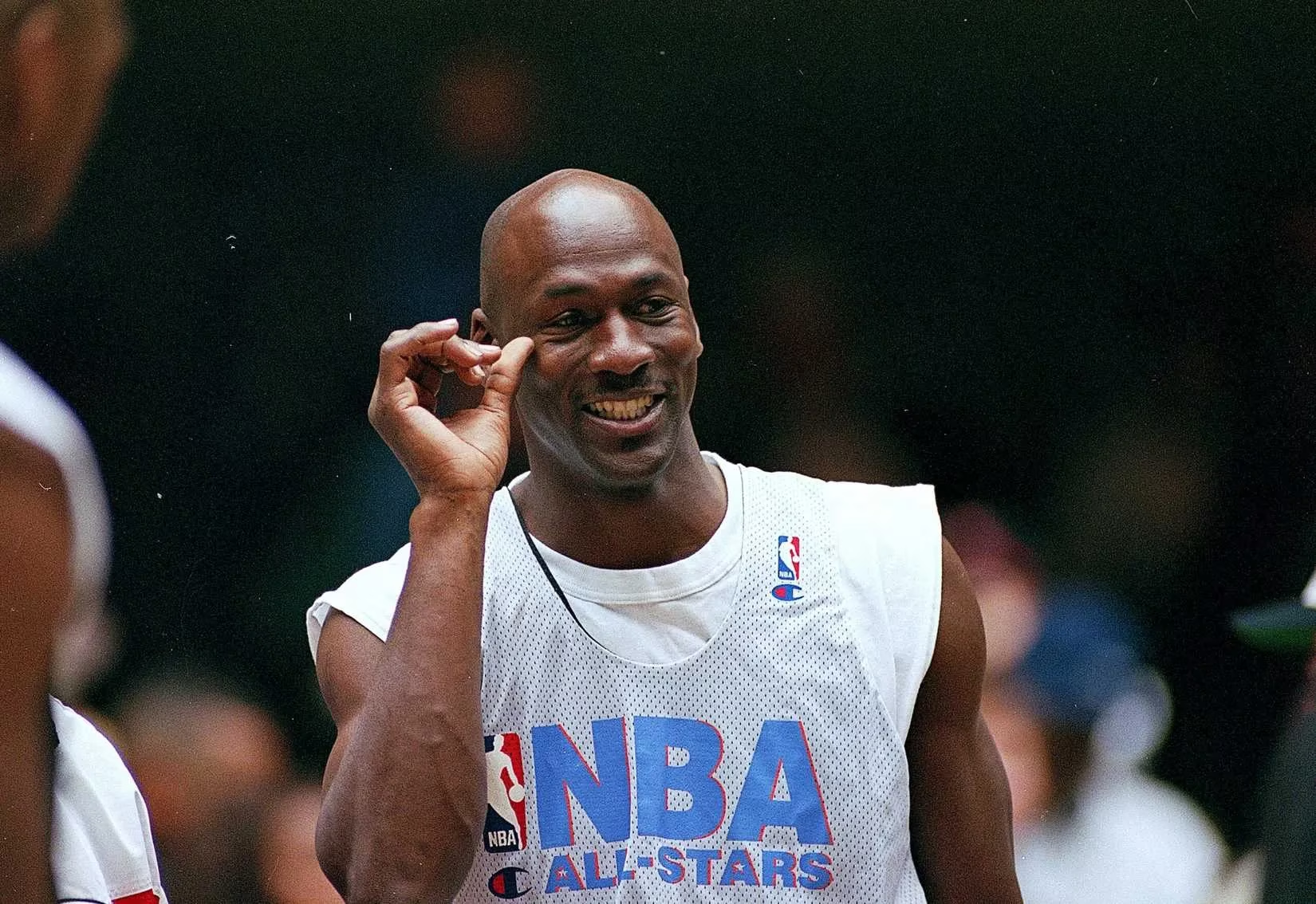
So where does that leave Dr. J? For me, he belongs in the top tier of all-time greats, even if he is not the consensus GOAT. He was a pioneer who proved that a wing could dominate with grace, creativity, and intelligence. He won at every level, and he earned the respect of the very player who would eventually take his place as the league's face. In 2026, as the NBA continues to globalize and new stars emerge, I think it is important to remember the players who laid the foundation. Julius Erving was one of them. Michael Jordan was the one who built the skyscraper on top.
The GOAT debate will never end. That is part of the fun. But the more I learn about Dr. J, the more I appreciate how close he came to wearing that crown. If the basketball gods had shifted the timeline just a little, we might be having a very different conversation today. And as a gamer who loves to rewrite history in simulation, that thought is both thrilling and a little heartbreaking. 🏀🐐
Key context is referenced from Entertainment Software Association (ESA), especially around how modern sports fandom increasingly overlaps with gaming culture through licensed titles and online communities. In debates like Jordan vs. Dr. J, that crossover matters: classic-team modes, historical rosters, and player-driven simulations help keep older eras vivid for new audiences, turning legacy arguments into something people actively “play out” rather than just discuss.
Comments